

Explore Fairbanks’ Gold Mining History at Our Outdoor Museum
Step into Alaska’s gold mining history at the Gold Daughters Mining Museum in Fairbanks. Included with your park admission, this outdoor museum showcases historic gold rush machinery used by early miners and companies like the Fairbanks Exploration Company. Explore authentic artifacts such as Keystone Churn Drills, dredge buckets, and steam-powered tools that helped shape Alaska’s mining past. Learn about Felix Pedro’s 1902 discovery, the rise of Fort Knox mine, and how prospectors thawed permafrost to uncover gold. It’s a hands-on, educational experience that brings Alaska’s rich mining legacy to life.
The Alaska Gold Rush in Fairbanks
The gold rush came to the interior when Felix Pedro discovered gold in 1902. Pedro’s discovery of gold drew many prospectors to the area and led to the establishment of Fairbanks. The largest part of the gold rush in Alaska came to an end in 1911, but the remaining gold was still buried deep under the interior’s frozen surface (this frozen dirt is called permafrost). To recover the gold, the Earth’s surface had to be thawed, removed and washed through a wash plant. In order to achieve this, big money and even bigger equipment was necessary. The Fairbanks Exploration Company brought both money and machinery to Fairbanks Alaska. In the 1920’s, gold dredges became the primary machine for mining gold. The dredges ruled the region for over 30 years and recovered 3.5 million ounces, ~$4.5 billion in today’s value. Once the dredges shut down, the machinery was left behind. Many of these machines are now located at Gold Daughters in our unique Alaska museum.
Fairbanks Gold Mining – Past and Present
Both hardrock and placer gold mining occur in Fairbanks today.
- Hardrock gold mining is the method that is used when gold is trapped inside a rock. The rocks must be crushed and blended with chemicals to extract the gold.
- Placer mining occurs when gold has eroded out of its source rock. For placer mining, only gravity and water are required. Gold panning is used to recover placer gold.
Many people still make their living mining for gold in Fairbanks and the surrounding areas. It is an expensive and arduous way to make a profit, especially in Fairbanks where the summer is so short and miners have a small window to find gold. Mining involves high-stress, high-risk and the possibility of high-reward.
Fort Knox is an open pit hard rock gold mine that is located in the Fairbanks district. In 2011, they surpassed the 6 million ounce mark for gold recovery, making them the largest producer of gold in Alaska history. They are still mining today with no end in sight. Fort Knox is located 30 minutes north of Gold Daughters. Pedro Creek, where gold was discovered in 1902 and where Gold Daughters sources some of its paydirt, is located about halfway between our location and Fort Knox.
Leonhard Seppala, An Alaskan Hero and Miner
Leonhard Seppala was an instrumental employee for the Fairbanks Exploration Company during the dredging operations. His claim to fame (and hero status) occurred in 1925.
Seppala played a vital part in delivering serum to Nome, Alaska via dog sled in the well known “Serum Run” of 1925. Today, you may know of this run as the Iditarod Sled Dog Race. Many people credit the sled dog Balto and his owner Gunnar Kaasen because he ran the final leg of the delivery, but Seppala and his team covered the toughest part of the trail. Seppala traveled 84 miles with his sled team at temperatures reaching -85 degrees Fahrenheit!
After his mushing career, Seppala worked for the Fairbanks Exploration Company. His job was to patrol the Davidson Ditch on dog sled to ensure that water was available for the dredges. The cabin he lived in while working for the F.E. Co is now at Gold Daughters.
Here’s What People are Saying
A Virtual Tour
The most striking thing about our gold rush museum is the amount of mining relics. We have 150+ gold dredge buckets, 100+ hydraulic giants and 6 keystone churn drills. That’s over 100 tons of steel in dredge buckets alone!
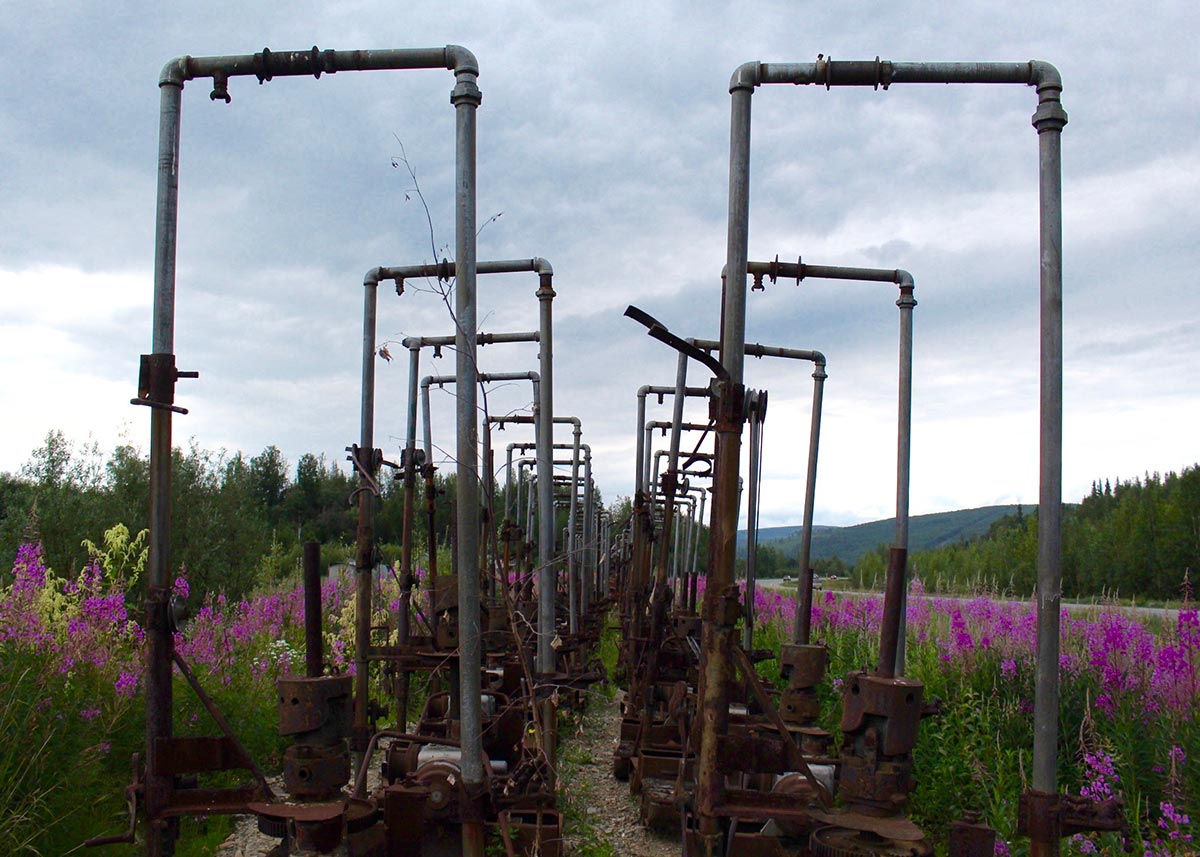
Thaw Point Drills
Thaw points were invented by the Fairbanks Exploration Company to speed up thawing of permafrost. The pipe was pumped with water, which expedited the thawing process, making paydirt accessible faster.
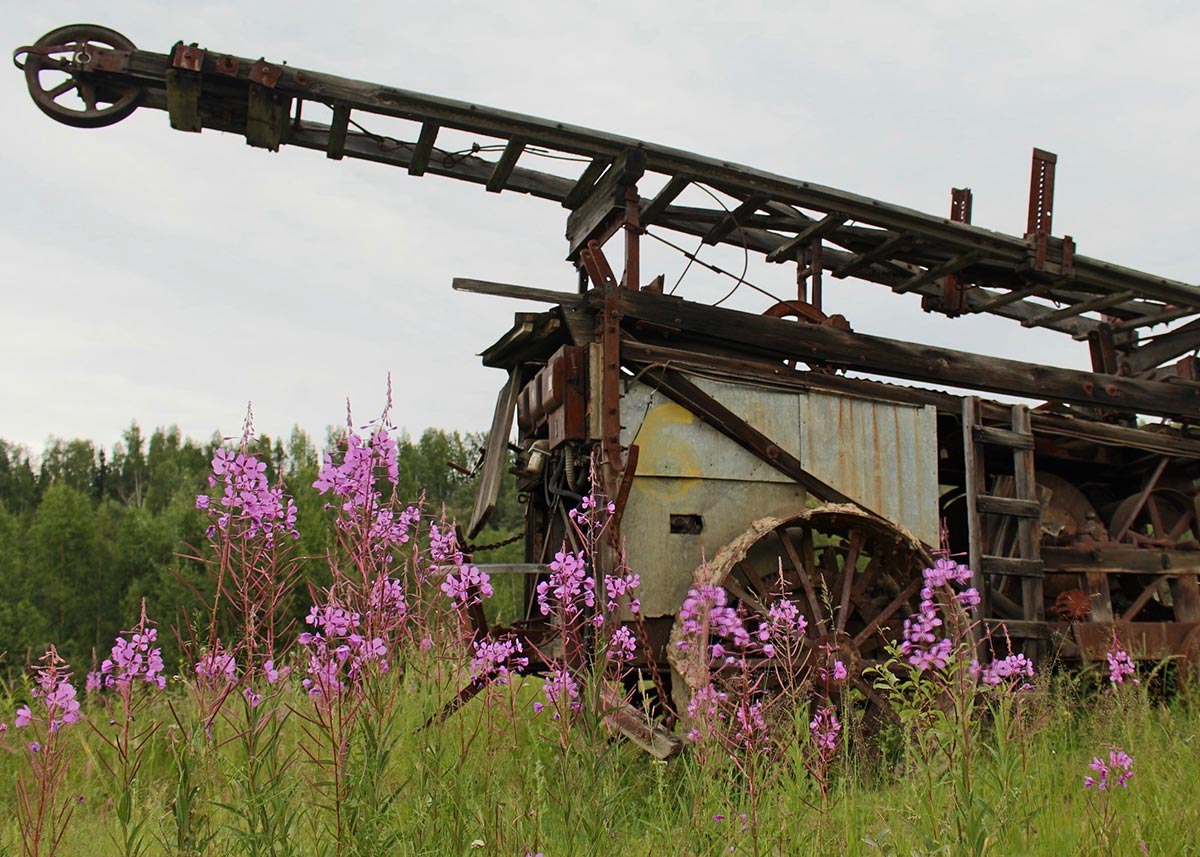
Keystone Churn Drills
Keystone Churn Drills were used to determine the depth of overburden and bedrock. The F.E. Company used these drills to determine mining paths for dredges.
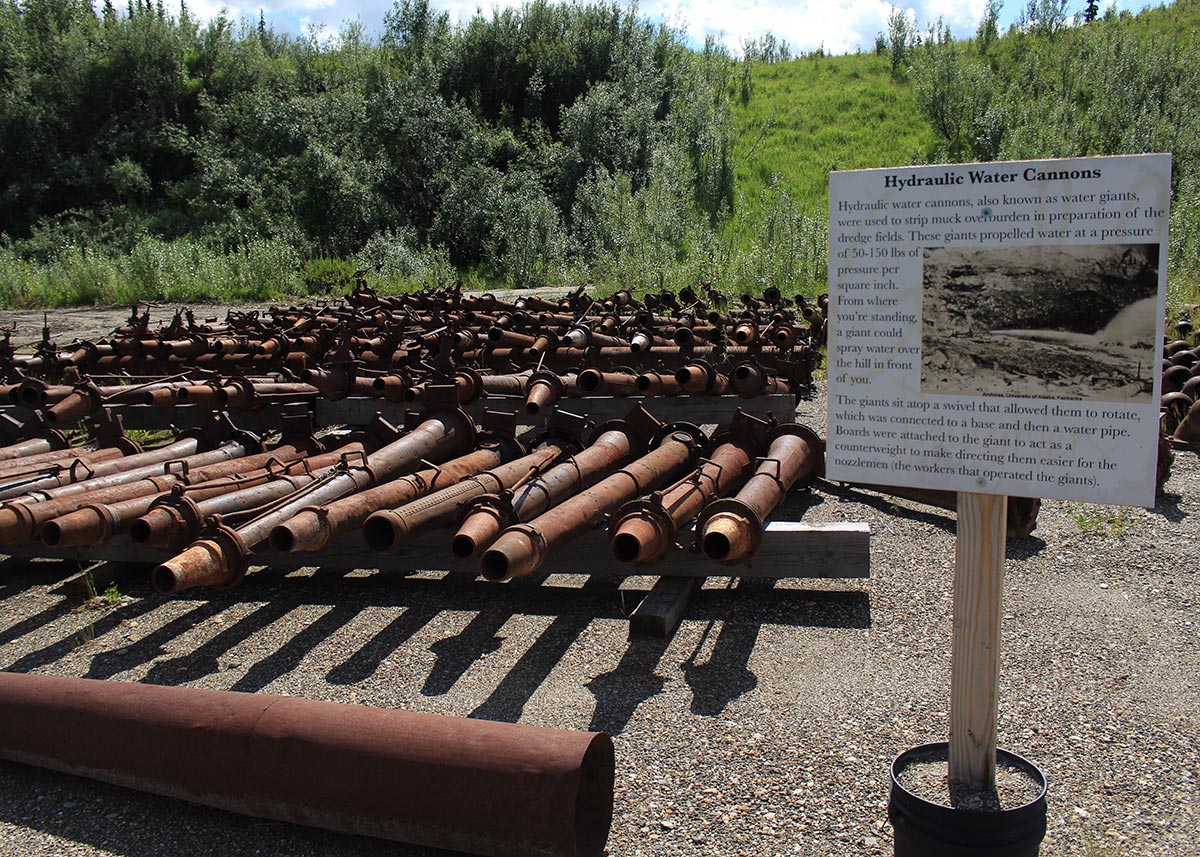
Hydraulic Giants
Hydraulic Giants, aka water cannons, were used to strip muck overburden in preparation for dredge fields. They can propel water at 50-150 lbs of pressure/square inch!
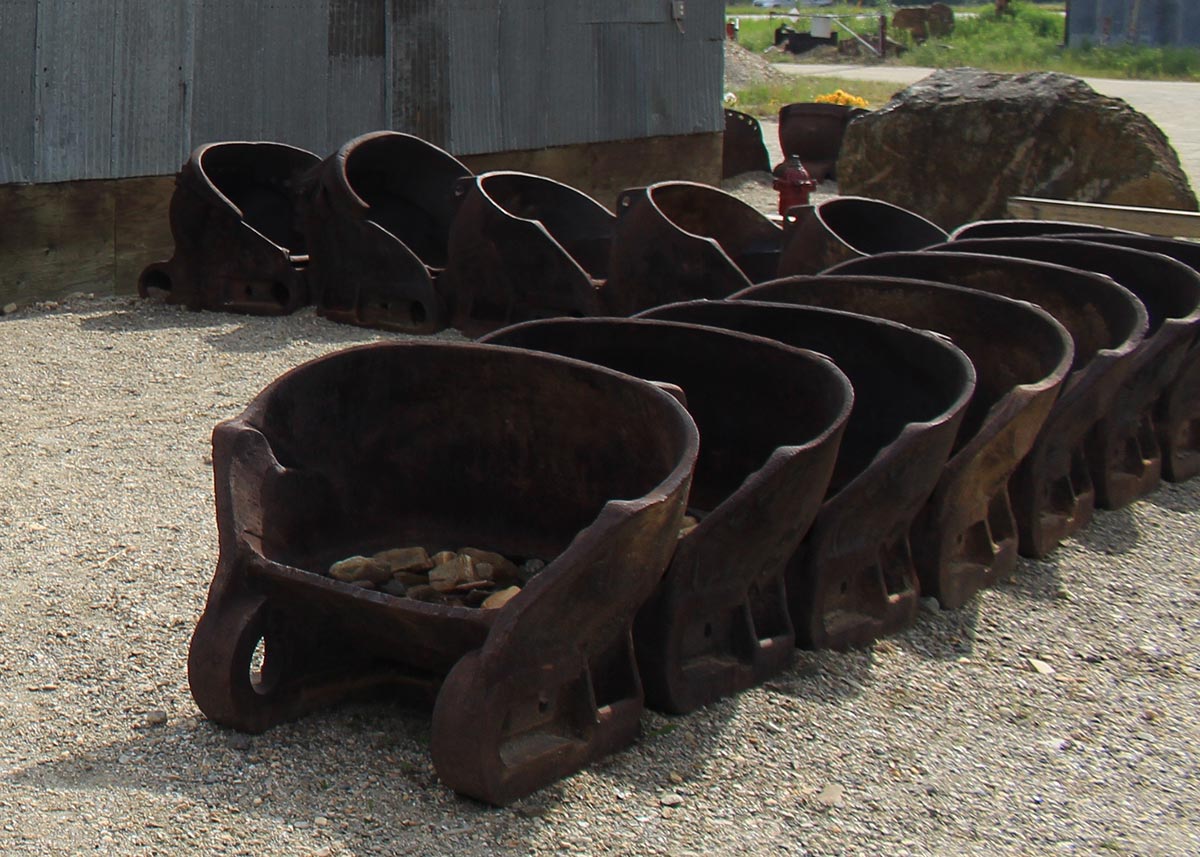
Dredge Buckets
Dredge Buckets were the shovels of the dredges. They were made of manganese-steel and weigh more than 1500 lbs, each! The buckets scooped up earth and brought it into the dredges to be washed.
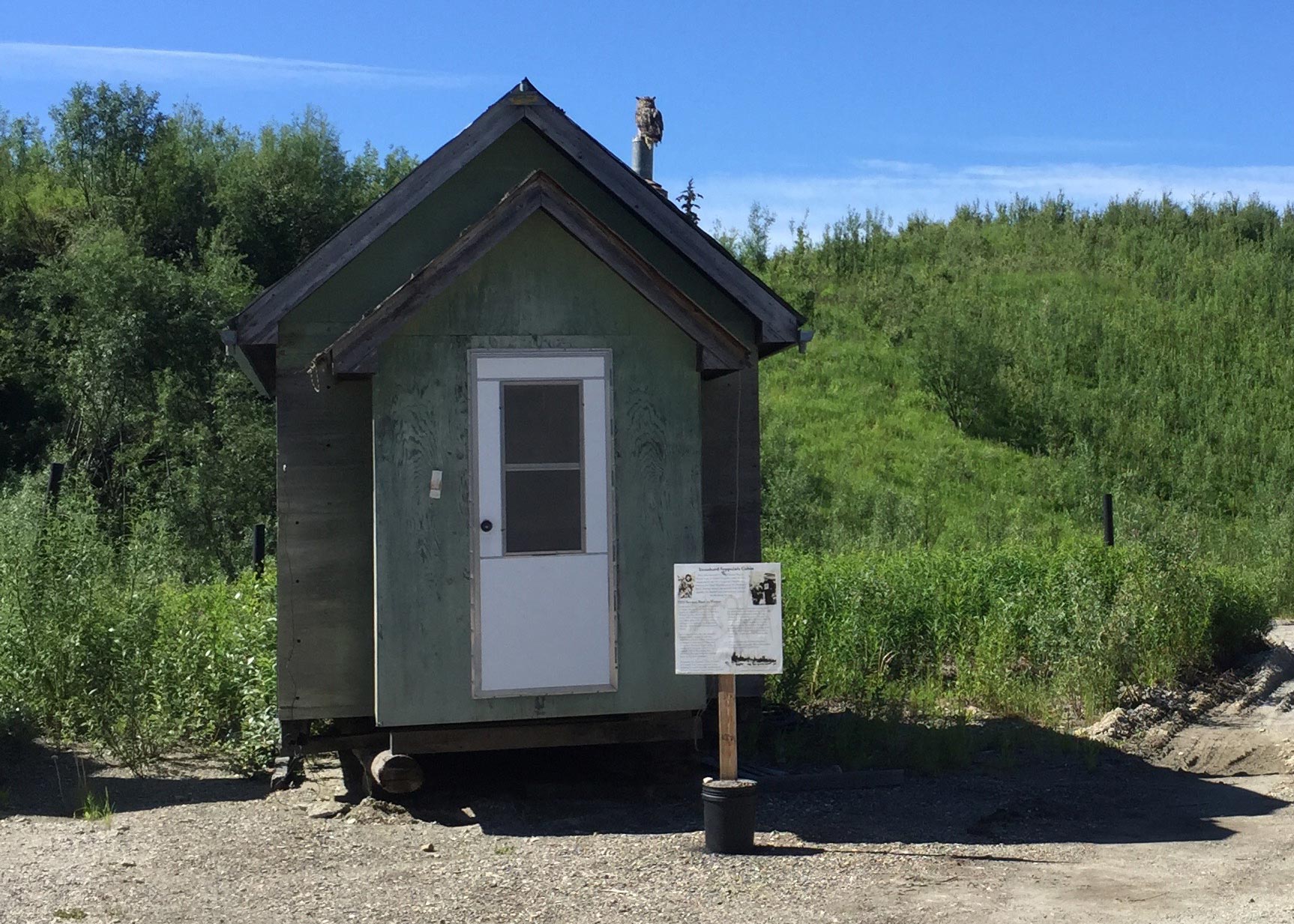
Leonhard Seppala Cabin
This cabin housed the 1925 Serum Run to Nome hero, Leonhard Seppala, while he was employed by the F.E. Company as the Chief Watchman of the Davidson Ditch.
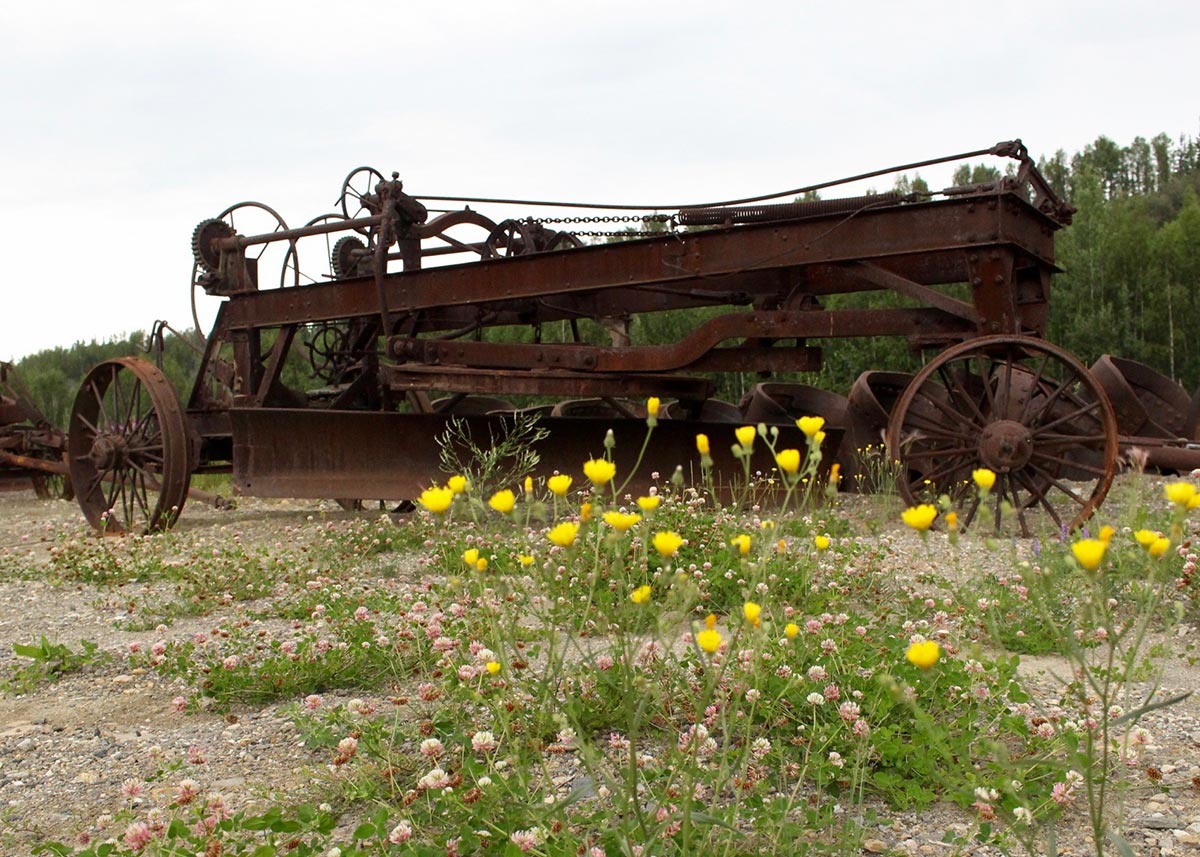
Adams Leaning-Wheel Grader
his grader was originally built for the construction of the Panama Canal. The F.E. Company then used it to create the Davidson Ditch.
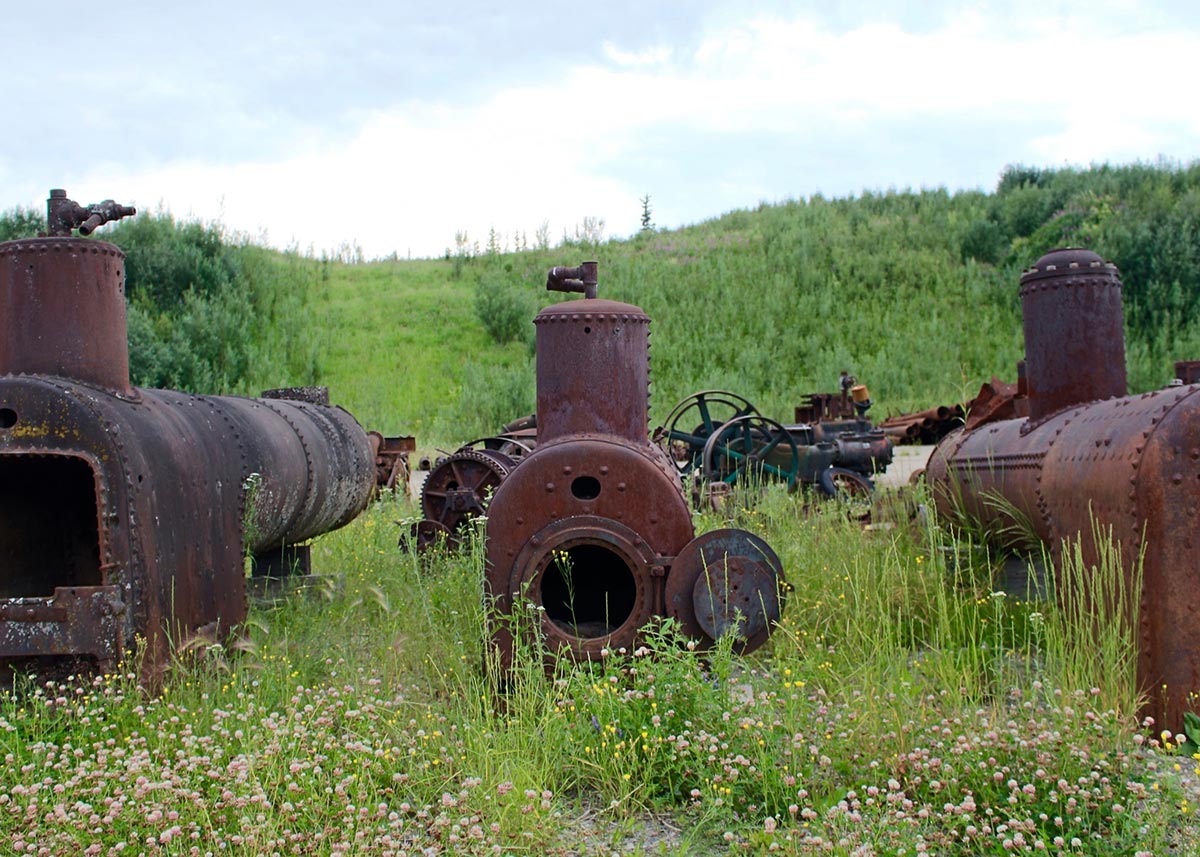
Boilers
Boilers were used to heat water to create steam for steam engines. Boilers were a necessary tool in creating energy for various steam powered mining machines.
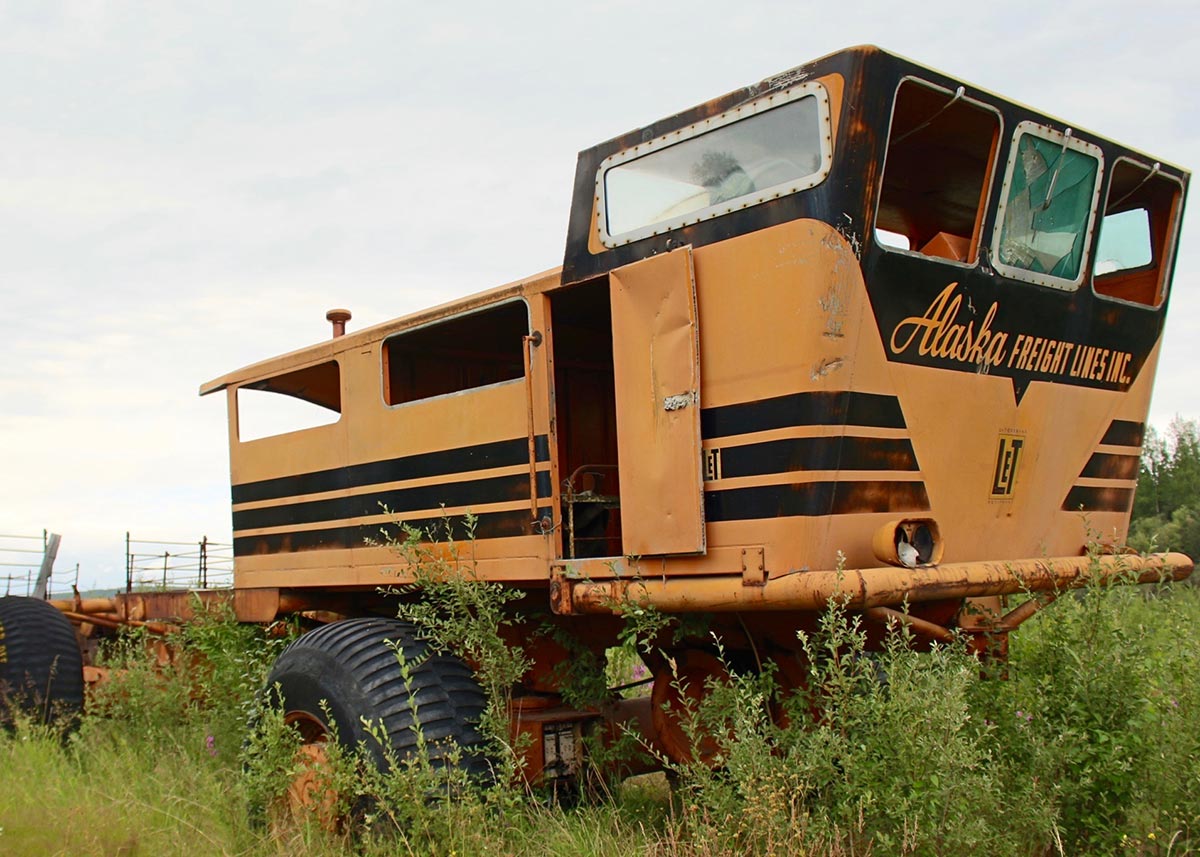
Land Train
The overland train was used during the Cold War to aid in the construction of the Distant Early Warning (DEW) Line. Its wide wheels kept it from sinking into the tundra.
See Alaska Gold Mining History For Yourself
Come enjoy a fun day of gold panning and a walk through history. Gold fever awaits! Check out our gold panning tour.